Tarantula Hawk Wasp Bite: Symptoms & Treatment (2026)
A tarantula hawk sting is rated the second most painful insect sting on Earth, yet the mark it leaves behind often looks like almost nothing. That mismatch between agony and appearance is exactly why people search for reassurance right after it happens. Here's what the sting actually does, how long the pain really lasts, and the rare signs that mean you should stop watching and start calling a doctor.

What a tarantula hawk wasp sting looks like
There's no gradual buildup. Entomologist Justin Schmidt, who created the Schmidt Sting Pain Index by allowing himself to be stung by dozens of species, rated the tarantula hawk a four, the highest rating on the scale, noting that fours are a lot more painful than the twos of honeybees and yellowjacket wasps. He described the sensation itself as "blinding, fierce, shockingly electric" pain that is thankfully brief.
What's strange is how little the sting site shows for all that pain. A tarantula hawk wasp sting leaves a mark that can look deceptively mild compared to how intensely painful it feels. There's typically no dramatic swelling to match the sensation, which surprises almost everyone who's been stung.
Unlike stings from hornets or fire ants, tarantula hawk stings don't typically blister or form pus-filled lesions — instead, the site looks like a minor insect bite or small red dot, remarkably subtle given the reputation. If you want to compare markings side by side, an illustrated tarantula hawk wasp identification guide can help you match the wasp itself to what stung you, since the sting mark alone rarely gives it away.
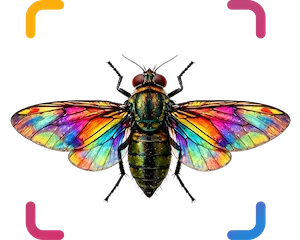
Because the mark is so unremarkable, people sometimes assume they were stung by something smaller, like a bee or wasp they never saw. The giveaway isn't the mark — it's the pain. If the pain was instantaneous, electric, and dropped you to the ground, and you spotted a large blue-black wasp with orange wings nearby, that's a strong signal it was a tarantula hawk rather than anything milder.

Bite Symptom Checker
Check every symptom you're currently experiencing. Get a plain-English risk read.
Is a tarantula hawk wasp sting dangerous?
For the overwhelming majority of people, no. The recovery process from a tarantula hawk sting is usually straightforward, and unlike venomous snake bites or scorpion stings, tarantula hawk venom does not destroy tissue or affect internal organs. The pain is the whole story for most people, not a sign of ongoing internal harm.
That said, this is still a wasp sting, and wasp venom in general carries a rare allergy risk regardless of species. The venom itself isn't very toxic to humans, but people with a known sensitivity to bee or wasp venom can still develop hives, throat swelling, or anaphylaxis after any wasp sting, tarantula hawks included. This is uncommon, but it's the one outcome worth watching for.
There's also a less obvious risk that has nothing to do with venom toxicity: the pain itself is disorienting enough that the victim is at risk of further injury by tripping in a hole or over an object in the path, since almost nobody can maintain normal coordination during the sting. Children, older adults, and anyone stung near uneven ground, water, or a road face a higher risk from that fall or stumble than from the venom itself.
Bottom line: monitor the sting site for the first hour while the peak pain subsides, then check again over the next 24 hours. If breathing becomes difficult, the face or throat swells, or hives spread away from the sting, treat it as an emergency rather than waiting to see if it improves on its own.
Wondering how serious your reaction actually is?
Run the Symptom CheckerSymptom timeline after a tarantula hawk wasp sting
Hours 0–2. The first five minutes bring peak pain, often described as unbearable and immobilizing, before intensity drops sharply over the next 30 minutes to an hour, leaving soreness or burning behind.
Hours 2–8. The burning sensation continues to fade. Mild redness and slight puffiness at the site are normal during this window, and most people are back to normal daily activity within a couple of hours of being stung.
Day 1–2. Redness and swelling begin to fade between 12 and 24 hours, and most people are fully recovered with no lasting effects by 24 to 48 hours.
Day 3–7. For some, mild tenderness may persist for another day, but beyond that, no permanent damage occurs. Some report the redness taking up to about a week to fully clear, though this varies by person. If the site is still actively worsening — more swollen, more painful, or spreading — rather than simply lingering, at this point it's worth having a doctor look at it rather than continuing to wait.
Which Bug Bit Me?
Not sure it was a tarantula hawk wasp? Answer three questions and we'll narrow the list.

For a broader visual sweep across other desert insects, an insect image identifier can help confirm what you're dealing with if the wasp got away before you got a good look.
Treatment for a tarantula hawk wasp sting
Wash and elevate. Move to a safe, level spot and sit or lie down before doing anything else, since the pain itself can cause a fall. Once settled, wash the sting site gently with soap and water to lower infection risk.
Cool, don't heat. Apply a cold compress and ice the area for 10 to 15 minutes to reduce pain and swelling. Heat has no benefit here and can make swelling worse.
OTC support. Over-the-counter pain relief such as ibuprofen or acetaminophen can ease soreness, and antihistamine creams or tablets help with itching or redness if swelling persists. If you're unsure what actually stung you before reaching for treatment, the BugKnow app can identify a tarantula hawk wasp on your phone from a quick photo, which helps confirm you're treating the right thing.
Watch, don't wrap. Leave the area uncovered so you can monitor it rather than bandaging it tightly. Seek medical attention if symptoms worsen or if allergic reactions appear — that's the one specific trigger that should move you from home care to a clinic.
Preventing another sting
Tarantula hawks are not aggressive by nature and would rather fly off than fight, so most prevention comes down to simply giving them room. Watch where you step and place your hands in desert terrain, especially near loose soil or burrows where tarantulas — and the wasps hunting them — are active.
Wear closed shoes and avoid reaching into brush, woodpiles, or rock crevices without looking first. If one lands nearby, stay still and let it move along rather than swatting at it, since swatting or grabbing is the most common way people get stung. If you've spotted more than one repeatedly around your home or yard, a full inspection of nearby burrows or nesting areas is worthwhile.
Not sure whether this needs urgent care or just ice and time?
Use the Doctor Decision TreeShould You See a Doctor?
A short decision tree based on CDC and Mayo Clinic guidance.
1 / 3 Are you having trouble breathing, or swelling of your face, lips, or throat?
2 / 3 Do you have hives, dizziness, or a rapid heartbeat spreading beyond the sting site?
3 / 3 Has the redness or swelling been getting steadily worse for more than 48 hours?
Frequently asked questions
Why does a tarantula hawk wasp sting hurt so much?
Entomologist Justin Schmidt rated the tarantula hawk sting a 4.0 on his pain index, the highest score possible, describing it as blinding, fierce, and shockingly electric. The venom is built for defense against large predators, not for feeding, so it delivers a jolt of intense, short-lived pain rather than lasting tissue damage. The sting is often compared to a running hair dryer dropped in a bubble bath.
What does a tarantula hawk wasp sting look like?
Despite the extreme pain, the mark itself is usually unremarkable: a small red dot or minor puffiness right where the stinger entered. Unlike hornet or fire ant stings, it typically does not blister or develop pus-filled lesions. Most people are surprised at how mild the site looks compared to how intense the pain felt just minutes earlier.
How long does the pain from a tarantula hawk wasp sting last?
The worst of it is brief. Pain typically peaks within the first few seconds to five minutes, then drops sharply over the next 30 to 60 minutes, leaving soreness or mild burning. Redness and any swelling usually fade within 12 to 24 hours, and most people feel fully back to normal within one to two days.
Can a tarantula hawk wasp sting cause a dangerous allergic reaction?
It's uncommon, but possible, since tarantula hawks are wasps and their venom can trigger the same allergic pathways as bee or hornet venom. Watch for hives away from the sting site, swelling of the lips or throat, dizziness, or difficulty breathing. The Mayo Clinic first-aid guidance on insect stings recommends treating any of these signs as a medical emergency, regardless of which insect caused them.
How do I tell a tarantula hawk wasp sting from a velvet ant sting?
Both rank near the top of the pain scale, but the insects look different. Tarantula hawks are large, metallic blue-black wasps with bright orange or black wings and fly readily. Velvet ants are wingless, fuzzy, and ant-shaped despite being wasps, and they scurry over open ground rather than flying. If you saw the insect fly away after stinging you, a tarantula hawk is far more likely.
Is a tarantula hawk wasp aggressive toward humans?
No. Tarantula hawks are surprisingly non-aggressive and use their potent sting almost exclusively to paralyze tarantulas for their larvae, not to attack people. Stings to humans usually happen only when the wasp is stepped on, grabbed, or otherwise directly provoked. Simply walking near one, or even watching it hunt, rarely triggers a sting.
Where in the US are tarantula hawk wasps most commonly found?
They favor hot, arid terrain, especially in Arizona, New Mexico, Nevada, and Texas, with additional populations across the desert Southwest, Mexico, and Central and South America. Roughly a dozen or more species live in the Sonoran Desert alone. Activity peaks in the warm months, generally spring through fall, when both tarantulas and their wasp predators are most active.
Should I go to the doctor after a tarantula hawk wasp sting?
Most people never need to. If the pain fades within the expected window and the site stays limited to redness and mild swelling, home care is enough. See a doctor promptly if swelling spreads well beyond the sting site, if you develop hives elsewhere on your body, or if you have any trouble breathing, which warrants emergency care immediately rather than a wait-and-see approach.
Take 30 seconds to check your sting now.
Check My Symptoms